The beginning of a new school year brings excitement and plenty of change. Children may be moving into new classrooms, meeting new teachers or starting in an early education setting for the first time. Even in year-round programs, fall often brings classroom transitions as children move up and new families enroll.
For young children, transitions are about much more than learning a new routine. They are leaving familiar places and experiences behind while learning to trust new people. Families are making that transition, too. For many parents, saying goodbye on the first day can feel just as overwhelming as it does for their child.
The good news? A warm, thoughtful welcome can set the tone for a successful year.
Building relationships early
Gather information about the child and family
Take time to learn about each child and family from the very beginning. The About Me Questionnaire helps caregivers understand each child’s unique needs, preferences and what helps them feel safe and successful. Gathering this information helps build strong relationships with the child and family. The Arizona Department of Economic Security requires contracted programs to collect this form during enrollment, and it is an excellent tool available for any program even if your program is not contracted with DES.
Be sure all teachers caring for the child review this information, and ask families for any additional information or clarification. This way, everyone can provide responsive care from day one.
Find the form here: About Me Questionnaire
Help families get comfortable
Invite families to spend time with their child in the classroom before their official start date.
Two great ways to do this:
- Meet the teacher: Host an open house for a visit before the first day. This lets families connect with teachers and offers a chance for children to explore the learning environment.
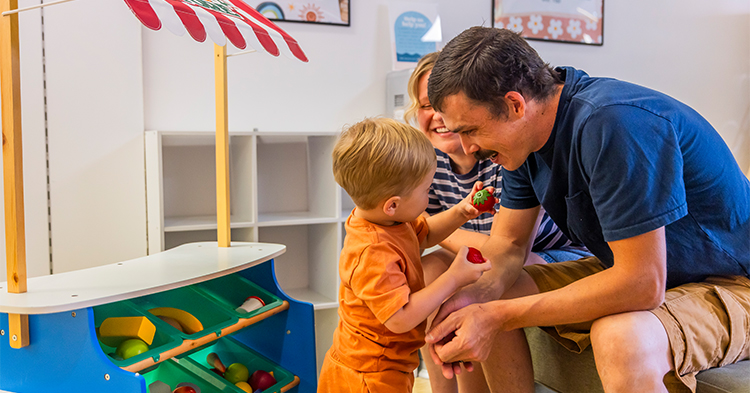
- “Stay and play”: A classroom visit or “stay and play” visit allows the child to explore the new environment while a parent sits close by. This helps parents see daily routines firsthand and gives children a chance to explore with their trusted adult nearby.
First day tips
Some children join a new classroom with ease. Others may be more cautious, anxious or stressed. Because every child is unique, they will all need different levels of support. Here are three ways to help ease the transition for a child:
Bring pieces of home to school
- Display family photos: Seeing familiar faces on the wall can help calm a child who misses home.
- Welcome classroom-appropriate comfort objects: Encourage families to send a small, dedicated comfort item from home, such as a small handheld plushie, soft animal or small blanket. These items bring the familiar scents and textures of home, easing the transition for a child who is missing family.
Quick tip: Guide families toward choosing items that are quiet, soft and small enough to fit in a child’s cubby for storage as needed. For infants, keep safe sleep guidelines in mind by reserving soft comfort items for awake, supervised times and keeping sleep spaces clear and safe.
Ease the drop-off routine
Tears at drop-off can make parents feel stressed. Remind families that crying or feeling hesitant during a goodbye is a completely natural part of adjusting to a new environment. It takes time to build comfort, and morning tears simply mean a child is navigating a big change.
To help ease this transition:
- Encourage families to create a goodbye ritual, and share some effective rituals other families have used. Creating a consistent routine that works for their child–such as a quick story in the reading corner or a hug and a wave goodbye at the window–helps children know exactly what to expect.
- Assign a primary caregiver. Ensure one specific teacher is ready to receive the child at drop-off. Having a consistent familiar face makes a world of difference.
- Validate the child’s feelings. When a child is upset, acknowledge their emotions. Instead of saying “Don’t cry,” try saying, “I see you are sad that Daddy left. I understand. It is okay to miss him.” Follow up by encouraging the child to engage in an activity to connect with their families while they are at school, such as “Would you like to draw a picture for Daddy in the art center, or would you like to build him something in the block center? We can take a picture and show him what you made at school today.”
Build strong communication with families
Proactively communicating during the first few weeks is one of the best ways to build lasting trust with new families.
- If your program allows photos, sharing a photo of a child smiling, painting or playing speaks volumes. It reassures a worried parent that their child is safe and happy.
Quick Tip: Always ensure you have consent from families before taking photos of children. Find a free, customizable photo release form on the AZToolkit in the forms, policies and templates section. AZToolkit membership is free for all Arizona regulated programs.
- At pick up time, share at least one positive, specific note about their child’s day. Give them something to ask their child about, like a story that made them laugh, a song they learned or an activity they enjoyed. These small details give families a window into their child’s day and spark conversations at home.
- Ask families how mornings and evenings are going at home so you can work together to support the child’s transition.
A foundation built on connection
Every welcoming interaction sends a message. Whether it’s a teacher kneeling down to greet a child by name, a family photo displayed on the wall or a reassuring message shared after a difficult drop-off, these moments lay the foundation for trusting relationships.
When children feel that they belong, and families know they are valued, everyone starts the year stronger.
Resources from Around the Web
Rocking and Rolling: Difficult Goodbyes (NAEYC)– Practical tips to support young children through separation anxiety and morning drop-offs.
Helping Preschoolers Cope with Separation Anxiety (Edutopia)– A short video showing how one program helps children process emotions during drop-off, building trust and confidence at school.
Scripted Stories for Social Situations (National Center for Pyramid Model Innovations) – Free downloadable stories, including the “I Go to Preschool” series, that help children understand new routines. Available in multiple languages and for different transportation modes.